How Meshtastic Works
Meshtastic is a free open source software that allows users to communicate via text without the need for cellphone towers.
Users pair their phone with their nodes via the Meshtastic app. From within the app, they can send text messages to other users.
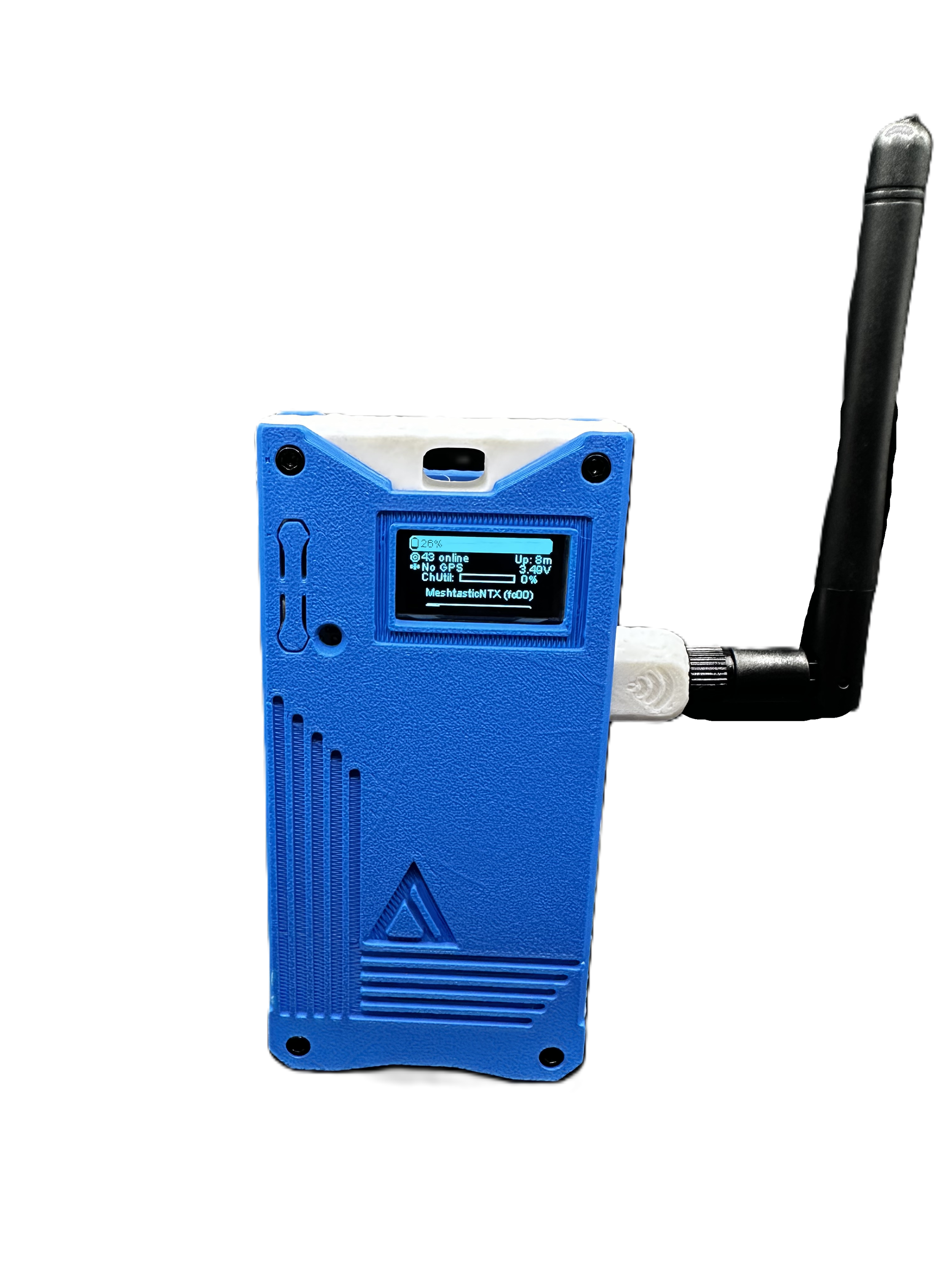
Each node (LoRA device) acts as a repeater to relay messages from sender to receiver. Each span between nodes is called a “hop.” Each node has a 4 digit ID to make sure messages are only seen by the right person.
Nodes can also act purely as repeaters, rather than messengers.
Sending messages from Meshtastic devices utilizes LoRa (short wave, long range radio technology).

HOP 1
NODE
NODE
HOP 2
NODE
How Far Can a Message Go?
The current ground record for message distance between two devices is 205 miles. This was accomplished using ideal LOS parameters and high gain long range antennae.
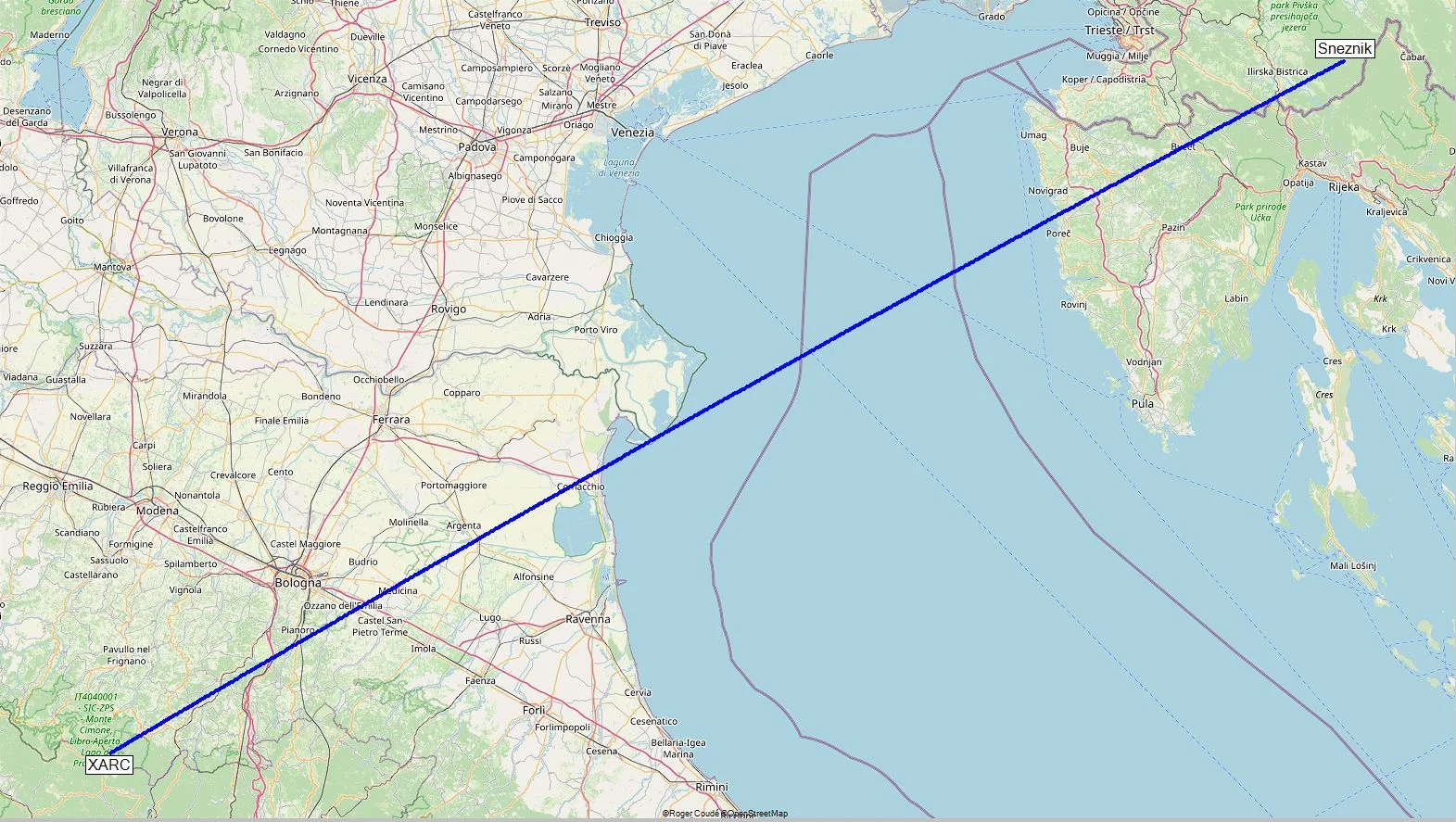
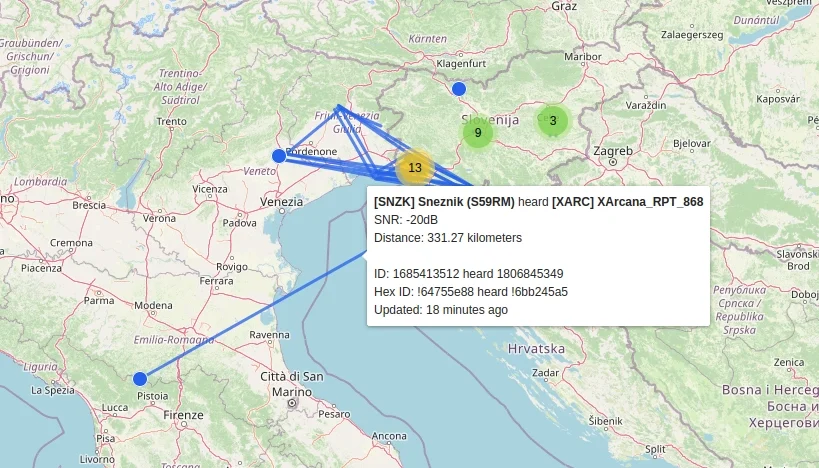
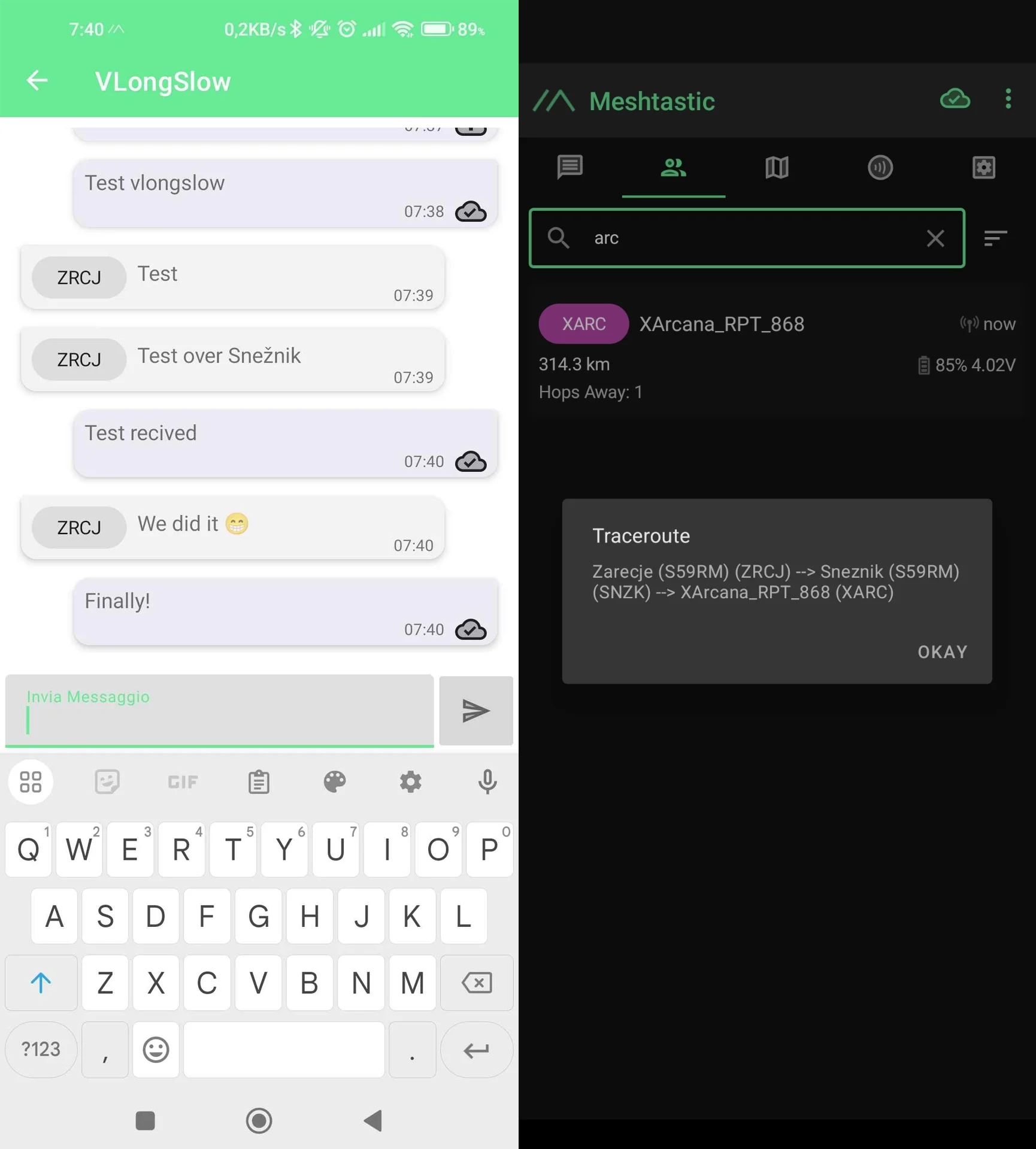
However, this was one hop. Messages make multiple hops to get to their intended receiver (max of 7). If 7 hops were made using the exact same parameters as the record setting nodes, a total distance of 1435 miles could be covered.
Meshtastic Use Cases
MAJOR CELL PHONE PROVIDER OUTAGES ARE BECOMING INCREASINGLY COMMON
Feb 2023 – T-Mobile nationwide outage
Tens of thousands affected; caused by third-party network issue (widely reported in industry + user data)
Feb 22, 2024 – AT&T nationwide outage (with spillover effects)
70,000+ outage reports; disrupted calls, texts, even 911 access
Late 2024 – Verizon widespread outage
Large multi-city disruption with tens of thousands+ reports (widely reported in news and outage trackers)
2025 – AT&T outage (short but widespread)
Brief but nationwide impact (tens of minutes)
Oct 2025 – Verizon major outage
Multi-city outage affecting core services
Jan 2026 – Verizon nationwide outage
~175,000 reports; lasted ~12 hours
Jan 2026 – T-Mobile outage (regional but significant)
Multi-state disruption of voice/data
We are in an age where every day there is increasing vulnerability to the cell phone grid from cyber attack and long outages. This, combined with the fading of the landline, has made it necessary to start thinking about secondary ways to stay in contact with the ones who matter most to us.
Remote and Wilderness Environments
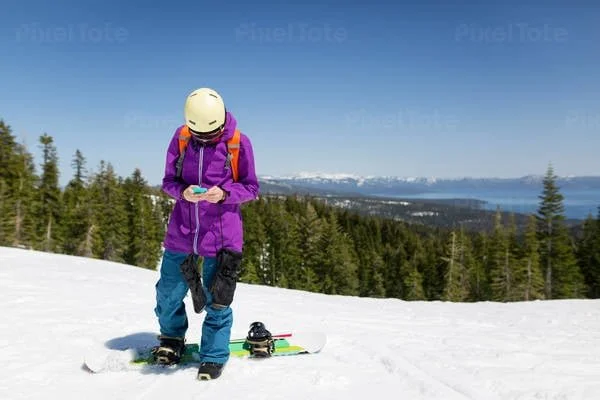
Skiiers and snowboarders on mountains who need to be in contact in cell tower shadows
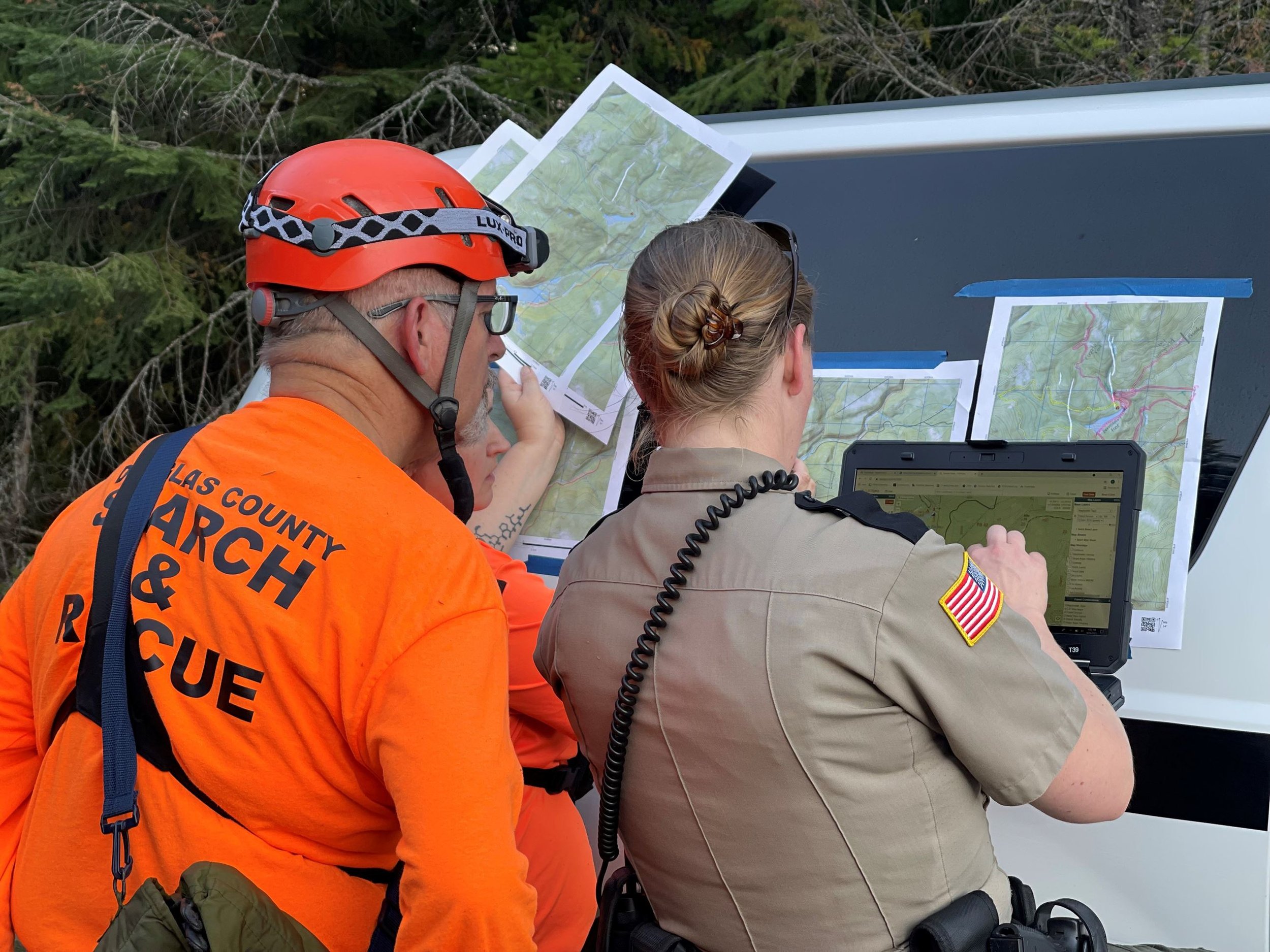
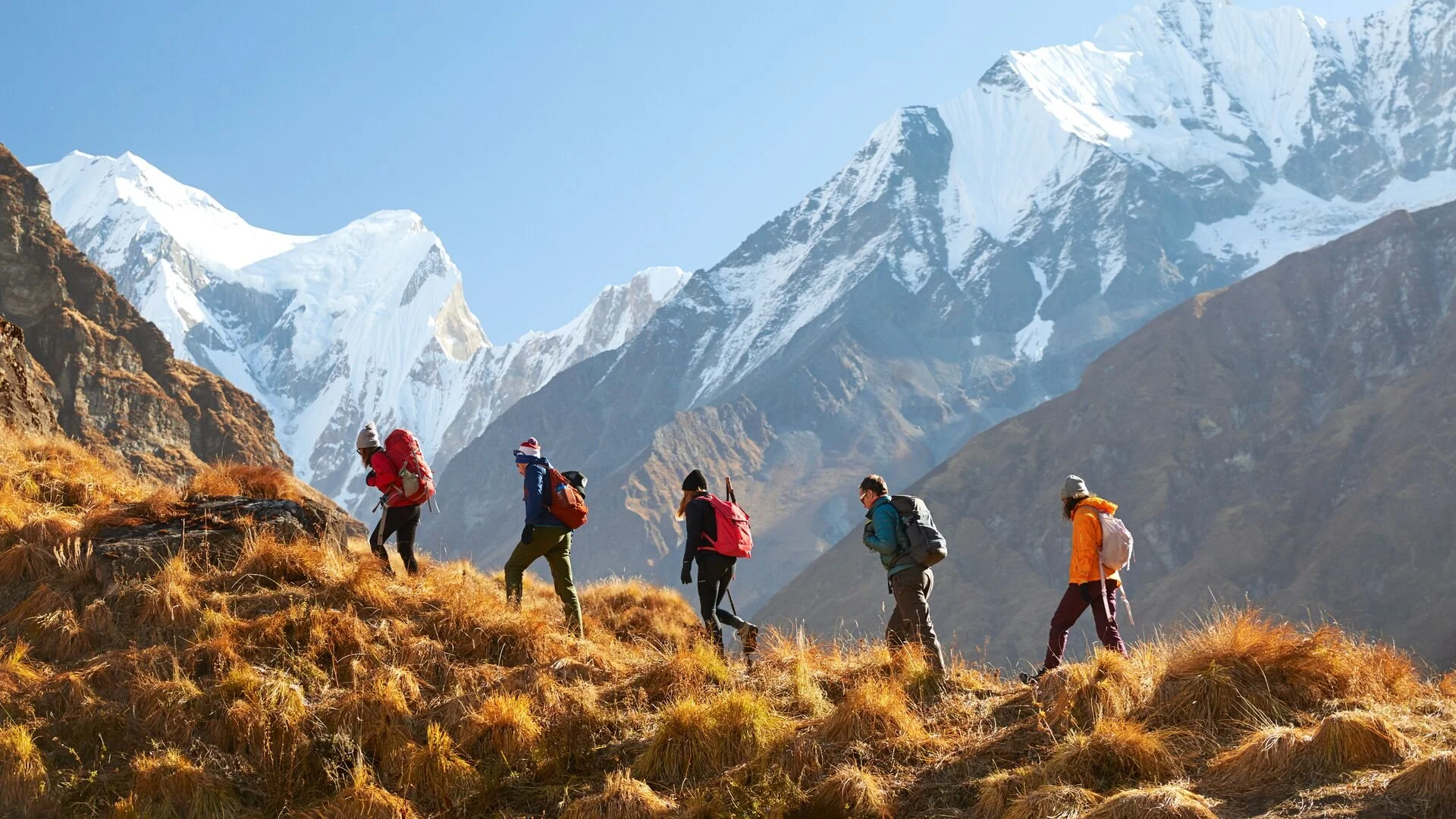
Hikers, campers, backpackers who venture off the grid
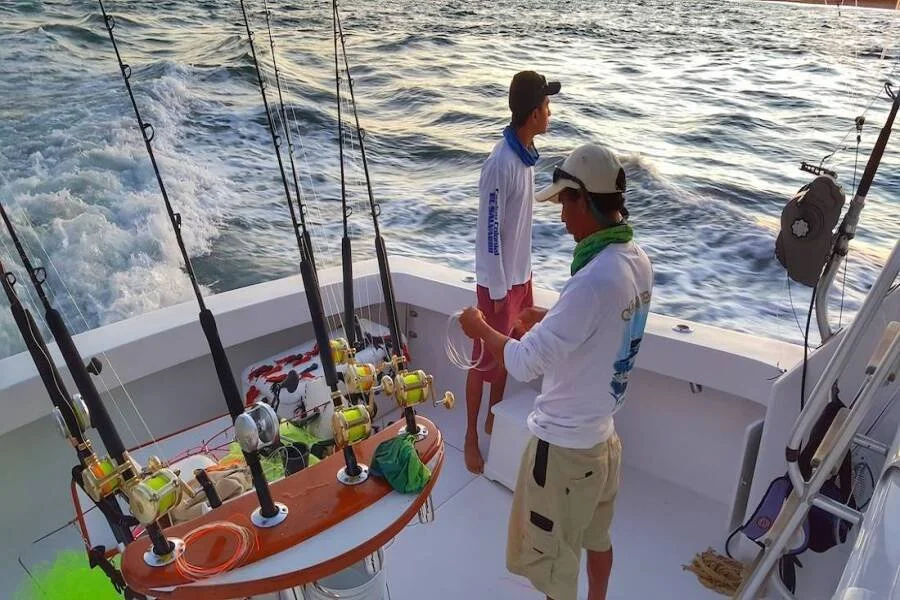
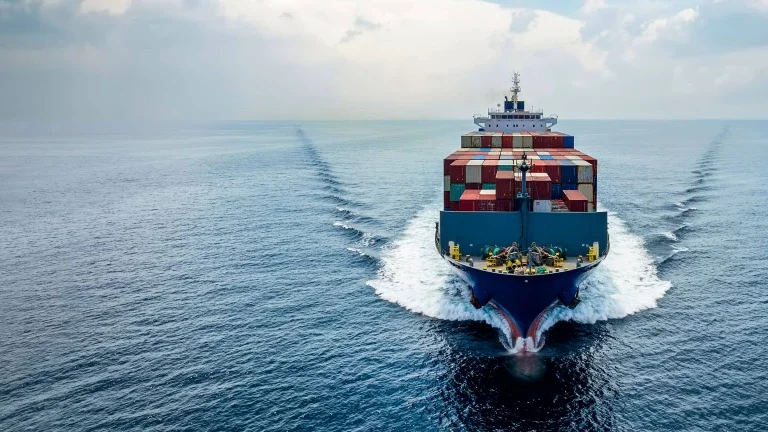
Offshore
Cell service drops off quickly over water
Boaters, fisherman, and other maritime users have overcome coastal deadzones with Meshtastic devices
Emergency & Disaster Scenarios
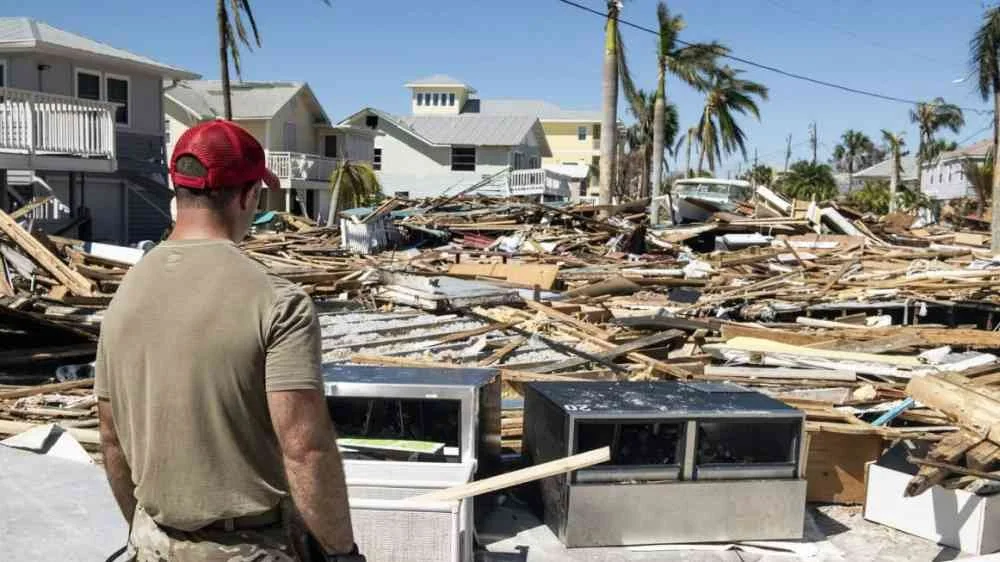
Hurricanes, wildfires, and earthquakes disrupt cell towers due to damage or too many people using the towers at once
During Hurricane Katrina, communications failed completely (even in populated areas)